What we know about how students form wrong beliefs — and how to change them.
Articles on misconception research, CCSS-M and NGSS assessment design, formative feedback loops, and what we've learned from our pilot classrooms. Written by the Brainpathio team and updated as our pilot data grows.

Why Wrong Answers Are Not All Equal
Two students mark the same fraction problem wrong. One forgot a step. The other doesn't understand what a numerator represents. The score is identical. The intervention should not be.
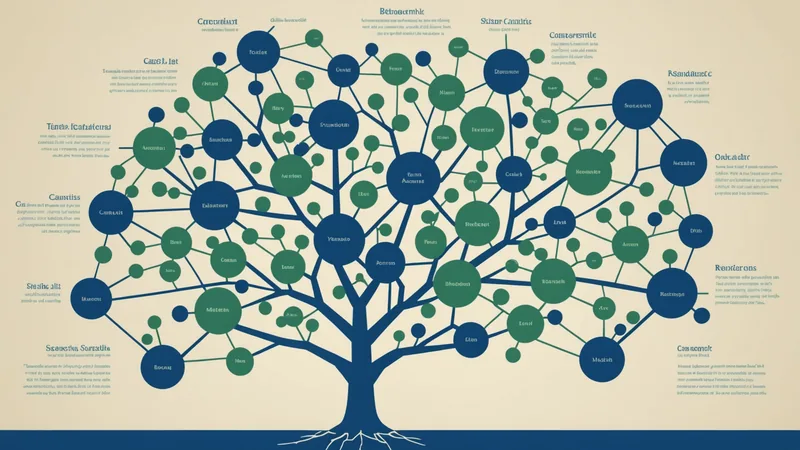
Building a Misconception Taxonomy for Middle School Algebra
Over three years of classroom observation, we catalogued the most persistent conceptual errors in 6th through 9th grade algebra. Here is what we found — and what the research had already said.
Common Core and the Misconception Gap
Common Core Math standards describe what students should know at each grade. They say nothing about the specific conceptual errors that block students from getting there.

The Variable Confusion Problem in Early Algebra
When students first encounter variables, many treat them as abbreviations for objects rather than unknowns that can take any value. This single misconception underlies dozens of downstream errors.

What NGSS Expects — and Where Students Actually Are
NGSS moved science education from recall toward explanation. But a student who misunderstands force cannot explain motion correctly, no matter how well-structured the lesson.
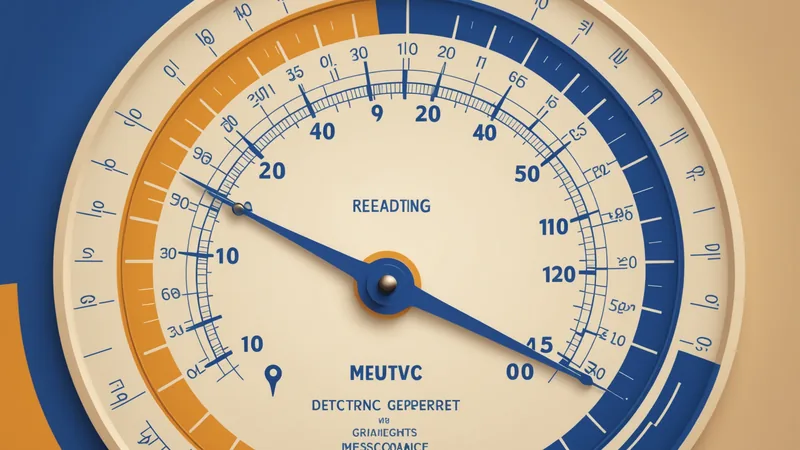
How Formative Assessment Fails Without Misconception Specificity
Exit tickets and quick checks give teachers a sense of who is struggling. They rarely tell teachers why. The research on formative assessment has always assumed a feedback loop that most classrooms cannot actually close.

Three Kinds of Fraction Errors — and Why They Look the Same
A student who adds numerators across unlike denominators may be making a whole-number interference error, a part-whole confusion, or a procedural slip. Each has a different fix.
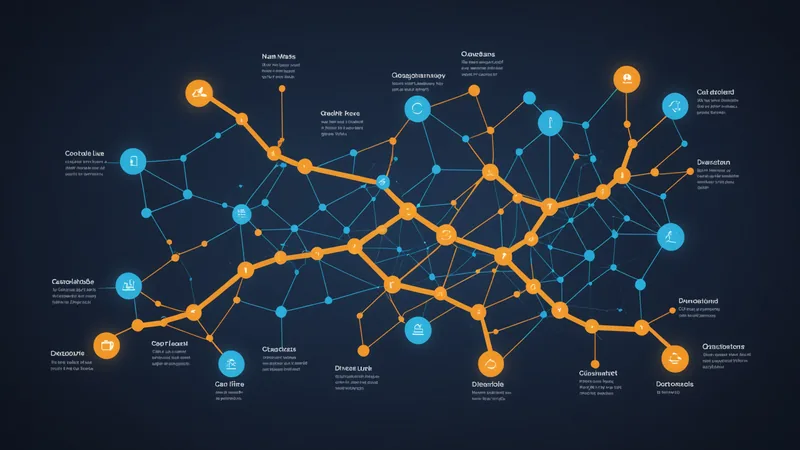
Introducing Brainpathio: Adaptive Learning That Maps Misconceptions
We have spent two years building a taxonomy of K-12 STEM misconceptions and an engine that routes students through targeted diagnostic questions when errors appear. Today, we are opening our first pilot cohort.
Pilot Findings: Misconceptions in Portland-Metro Classrooms
After 8 weeks with three pilot schools in the Portland metro area, our data surfaced patterns that surprised even experienced teachers. Here is what we found about 7th and 8th grade algebra readiness.
The Reteach Cycle Problem — and How to Break It
The most common teacher response to a failed unit test is to reteach the entire lesson. But if misconceptions are specific, a full reteach is often inefficient and sometimes counterproductive.

NWEA MAP Scores and the Misconception Dimension
RIT scores tell administrators where students are on the growth trajectory. They do not explain why a student stalled. Pairing MAP data with misconception tracking gives district teams a more complete picture.

What Makes an Adaptive Learning Engine Actually Adaptive
Most adaptive platforms adjust difficulty. A few adjust content sequence. Almost none adjust based on which specific misconception is most likely to explain a student's error pattern.